by Sam Glaser
The Beginning
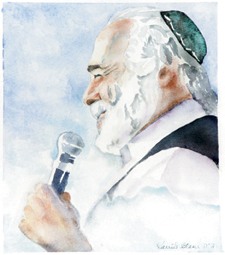 Shlomo Carlebach and Debbie Friedman started something big. Much like the Internet freed visionaries to rip away the barriers of industry, these two composers wrote music from their hearts and delivered it directly to the people. They didn’t go to a conservatory to get degrees in composition. Nor did they spend six years at a cantorial school. They heard music in their heads, translated it for the world to access with simple guitar chords and sweet, non-operatic voices, and hit the road to any venue open to their spiritual message.
Their music was not klezmer, the schizophrenic happy/sad party music of the Ashkenazi old world. Nor was it weighty like cantorial and choral works by Louis Lewandowski or Ernest Bloch. It didn’t poke fun at tradition or lament shtetl life like Yiddish Theater or Allan Sherman. It wasn’t yet another repackaging of the Israeli hits born from the legacy of war. This was genuine American Jewish music, made for the people, by the people, with its roots in the radical belief that Judaism is a religion of life and celebration. North American Contemporary Jewish Music (CJM) transcends the burden of the Holocaust and pogroms. It is the music of a people born on the wings of eagles to a land that has offered them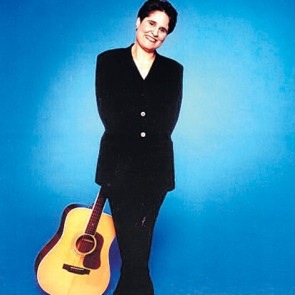 unprecedented tranquility, success and freedom. It is the music of a profound and unprecedented byproduct of the 20th century: the optimistic Jew.
Thousands of young Jews flocked to Shlomo and Debbie concerts and memorized their songs. Over the decades, the very institutions that mocked or discarded these seminal figures eventually found themselves enraptured by their melodies. Their music captured the ebullient mood of the youth and of course the youth grew to positions of power and made CJM normative. Young Jewish musicians, myself included, saw them in the limelight and realized, “YES…this is what we want to do!” This generation included the likes of Craig Taubman, Julie Silver, Dan Nichols and Rick Recht, groups like Kol Beseder, Safam and the Moshav Band. These artists were compelled to create recorded music that exceeded the production quality of their mentors while carrying the same message of the spirit. Their success has led to exponentially more composers in the now up-and-coming generation, who are creating innovative music that combines the best of hip hop, folk, rock and jazz with clever beat boxing, looping and generous helpings of studio magic.
Good News
Today this renaissance has created a music market that is bursting at the seams. Many of the countless Jewish albums released every year are audiophile quality; whereas 20 years ago most Jewish albums were poorly produced, nowadays the majority are comparable with any releases in the secular world. Among the Jewish music industry summits are such conferences as NewCAJE, Hava Nashira and the Reform Biennial where songwriters perform their latest and jam late into the night. Soundswrite, a Jewish music distributor now under the auspices of the Union for Reform Judaism markets nearly 400
 CD titles on its website; Mostly Music, associated with the Orthodox movement, carries the work of over 1300 different artists. Just last week the annual Song Leader Boot Camp offered three full days of training in the art form to over 90 young singers and composers. The main CJM online outlet, Oysongs.com, boasts nearly 4000 songs available for download, not to mention the availability of the matching sheet music. “Jefe, would you say we have a plethora?”
Shrinking Resources
While the music business at large is suffering globally, Jewish music has its unique tzuris (pain.) Like all musicians, we generally pay our bills by virtue of our live bookings and sales of our music. After four years in the current recession we see that cultural arts events are often the disposable item on most synagogue and JCC budgets. Shuls nationwide are merging, most are cutting “extra” clergy like cantors and songleaders, and the transmission of the arts is falling into the hands of whichever parent volunteer can play guitar or wield a paintbrush. Our precious Jewish children are growing up without an awareness of their cultural history, their repertoire of music is stunted and access to active Jewish musical role models is increasingly limited. And that’s for the kids who ARE affiliated, who actually show up to the synagogue once in a while and attend Jewish summer camps.
A primary issue with the industry as a whole is the shocking abandonment of the physical delivery of music by consumers under 30 years old. Many young listeners do not even own CD players and have never paid for music. Their ipods hold thousands of songs “gifted” from friends or “found” on the Internet. It’s a great era to be a music consumer and a lousy one to be a provider. Over the past decade, brick and mortar record shops have disappeared with awesome rapidity. In the Jewish world, this trend is manifest in the disappearance of Judaica stores, and for the hearty survivors, an ever-shrinking music department. There are very few Jewish music distribution companies left and those that are still fighting the battle are finding that the profits are so low that it’s easier to walk away than sell their beleaguered enterprises. This trend does not make the creation of quality new Jewish music less important.
Our silver lining in CJM is the possibility for widespread dissemination of our music and message via outlets like iTunes, YouTube, Twitter, Facebook and Spotify. Like never before we can get the word out about new projects, share behind the scenes adventures and concert footage with fans, and we no longer have to endure the tyranny of record labels or distributors dictating our marketing moves. That said, of the above outlets, only iTunes pays. My “day gig” is producing albums for a wide variety of clients. I used to tell them that they only had to sell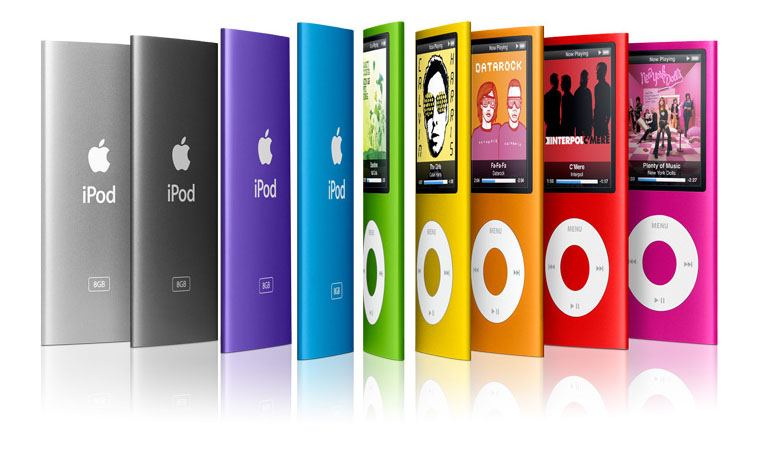 about 1500 CDs to break even on production costs. That was based on the $15 per album that they could typically charge audiences after a concert, a goal that the average working musician could fathom. With iTunes, the breakeven point jumps to nearly 50,000 singles that must be sold. The new model has emasculated the long form album, the beloved collections that gave singers a dozen songs to make their artistic statements. Spotify, the rising star of subscription services, referred to as the “iTunes killer,” pays the artist .3 cents per listen. I shudder to do the math.
Opportunities
Sorry about the grim outlook. I have some ideas to brighten the future. My plan is to unite around an existing arts-focused non-profit and create The Contemporary Jewish Music Association, or something like that with a better sounding acronym. I will locate like-minded, deep-pocketed individuals who appreciate the musical gifts of Rabbi Shlomo Carlebach and Debbie Friedman and the revolutions that they inspired. These will be benefactors that understand that in addition to supporting hospitals and the hungry, we need to keep our greatest cultural aspirations alive. Under a single umbrella we will create a collection of entities that will lift the profile of CJM by providing publicity, enhance composing, recording and performance opportunities for artists and allow for unprecedented recognition for accomplishments. I plan to be the CEO, my wife will be CFO and we’ll hire a Jewish music loving Ivy League MBA as our COO. Overhead will be minimized and accountability and transparency will be top-notch. I beleive the effect on the Jewish world will be nothing short of radical, transforming it from an afterthought to a bonafide industry alongside our Christian music counterparts.
(See February 2012 Newsletter sidebar for my wish list of the initial twelve branches.)
I like to dream big. I’ve been doing so since the age of seven when I started writing songs about global issues and facing mortality. When I was twelve I started preparing for my Bar Mitzvah. I joined our Sinai Temple Shachrit Choir, studied Torah and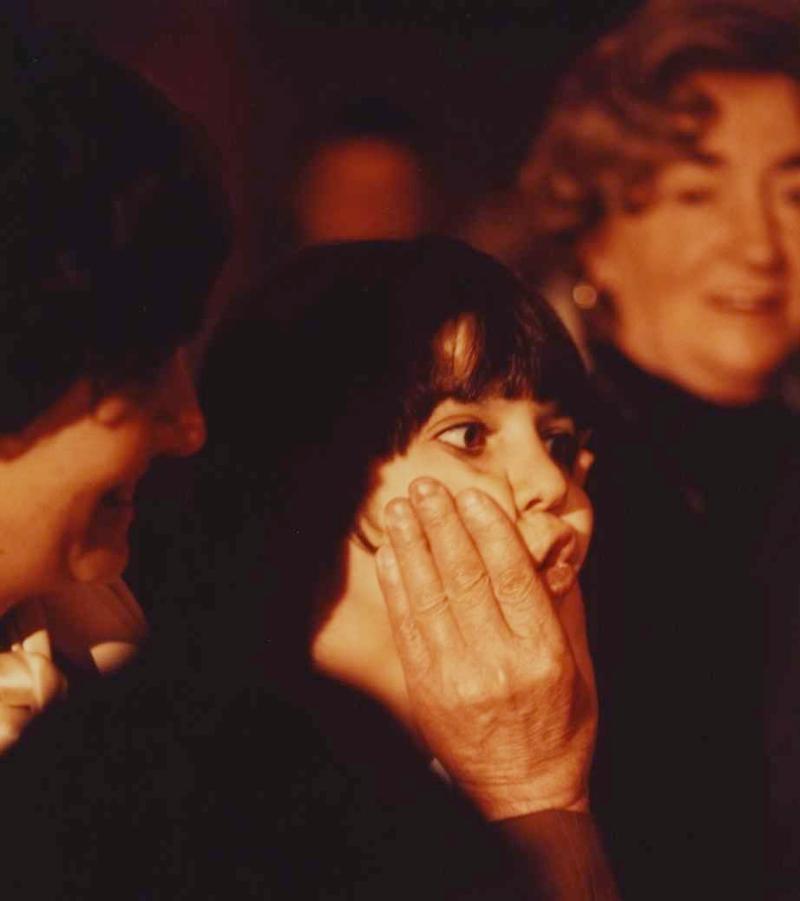 Haftorah trope with our organist Aryell Cohen, and mastered Mussaf with Cantor Joe Gole who took me under his wing. I had to learn the portions both for my LA ceremony and the one that followed a few weeks later at the holy Western Wall. One night my mom recognized my accomplishments in that short period of time. She came into my bedroom as I negotiated our ancient texts and said, “Sammy, if you keep pursuing your goals like you did this year, there is nothing that will stop you.” Thanks Mom…I’ve been a workaholic ever since.
It’s tempting to walk away from the music business at this point. Most of my peers have done so. My guitarist recently said to me, “I’m just glad that I got to be alive when it was possible to make a living as a working musician.” The problem is that I have learned to love this small, underfunded CJM genre. I have all my eggs in this fragile basket. It’s not enough to help CJM to survive; I believe the Jewish world needs it to thrive. Rabbi Natan Lopez Cardozo teaches that the great King Chizkiyahu was supposed to become Mashiach and put an end to the suffering of the Jewish people. But he couldn’t sing and therefore couldn’t inspire his offspring. “There is no future to Jewish learning and Judaism without a song and a smile.”
Music unifies a disparate group like nothing else. In my opinion, meaningful, well-produced Contemporary Jewish Music is the most powerful expression of our people. Last week during his LA visit, the Chief Rabbi of the UK, Lord Jonathan Sacks told me, “Sam, more than we need sermons, we need your music to unite our people. You have the unique ability to take what has been and breathe new life into it. While Torah always stays the same, music must change. We need your new music, your shir chadash, to keep Judaism alive.” Chief Rabbi used two songs that I recorded in for his “Israel at 60” anniversary album that was given to over 260,000 families throughout Europe. He’s a powerful fan. I only reached him because I was invited to play a high profile UK event. I got that gig from performing at a US based event of an organization that sadly went bankrupt on the heels of the 2008 recession. If I were new on the scene today, I doubt I would have had the chance to make an impression. I’m so grateful that I’ve had the fortune to release over twenty CDs of the music of my dreams and travel to fifty cities a year singing that music for happy audiences. I think the next generation of talented Jewish musicians deserves the same opportunity.
Most of you are thinking…Sam is living in Fantasyland. Not true…I much prefer Tomorrowland. My friends, millions of dollars are given away by Jewish benefactors everyday. We just need one. Theodore Herzl said “If you will it, it is no dream,” and look where that got him! Thanks to Shlomo and Debbie for the music, for striving against all odds, for giving us a career and a dream.
 I am writing this newsletter on the road during my 2011 Chanukah tour. It is as varied an itinerary as can be imagined in the Jewish world; a whirlwind of performing for Reform, Conservative and Orthodox synagogues, religious and day schools and a retirement home. This is my eighteenth Chanukah on the road, a time that is often difficult since I am gone for weeks rather than my typical every-other-weekend schedule, but is also the period when I relish in the joy of having so much time to interact with out-of-town friends old and new and reflect on the year gone by.
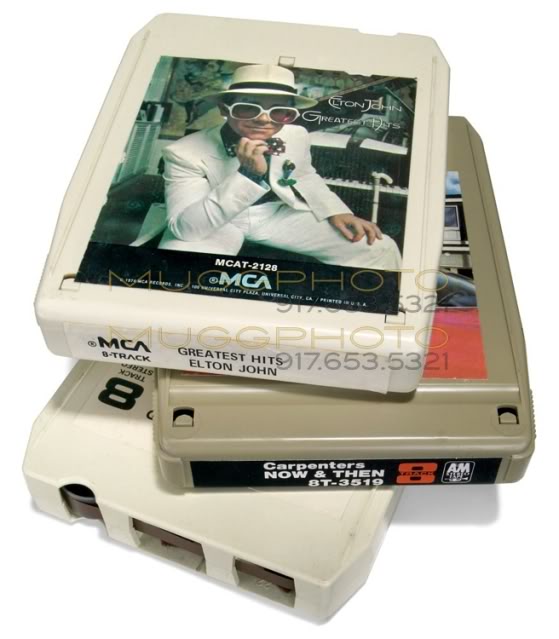 Growing up in suburban America during the 60’s included a certain rite of passage: as you drove down the freeways, if you wanted to hear your favorite songs, you needed an 8-track tape player in the dash. In one clunky cassette about the size of six iphones, a CD worth of material would play in gorgeous stereo. There were a few caveats. You couldn’t rewind. And when you least expected it, a metallic piece of tape signaled that it was time for the tape head to switch tracks. That meant a somber moment of silence in the middle of movements, sometimes in the middle of your favorite song. It wasn’t ideal but it was certainly more graceful than trying to balance your record player when changing lanes.
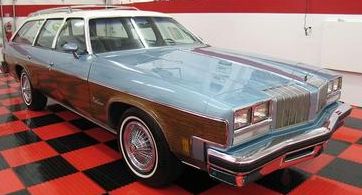 Shostakovich and Beethoven’s 5thsymphonies and assorted musicals. This was also the car that became my college ride at the University of Colorado, Boulder. A favorite collegiate pastime was stuffing the car with a dozen freshmen from the dorms, cranking the tunes and doing donuts in the Safeway parking lot on snowy nights.
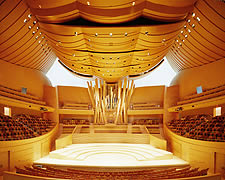 the show started and was treated to a few hours of symphonic bliss. Beethoven’s 5thaffects me in the most visceral way. It’s just not that I share my birthday with the great composer…I have memorized every last passage intimately and during the concert I had to force myself not to conduct. I was even ready for that measure mid-movement when my family 8-track tape would clunk as it switched to the next section.
 Sinai was our wedding day. Our exclusive covenant with the Creator of the Universe. Marriage is the melding of two hearts together into an altogether new entity. Thanks to the exclusion of all other potential mates, a couple has the chance to blossom into a symbiotic oneness. Thanks to our willingness to discard idol worship and focus on the laws of Torah, we explode into the full blossoming of our potential as members of God’s holy nation. It’s no surprise that Jewish law is called halacha, or path. It’s a pathway, not a goal in and of itself. By striving to sensitize ourselves to this path we hear God’s voice, feel God’s love supporting our every step.
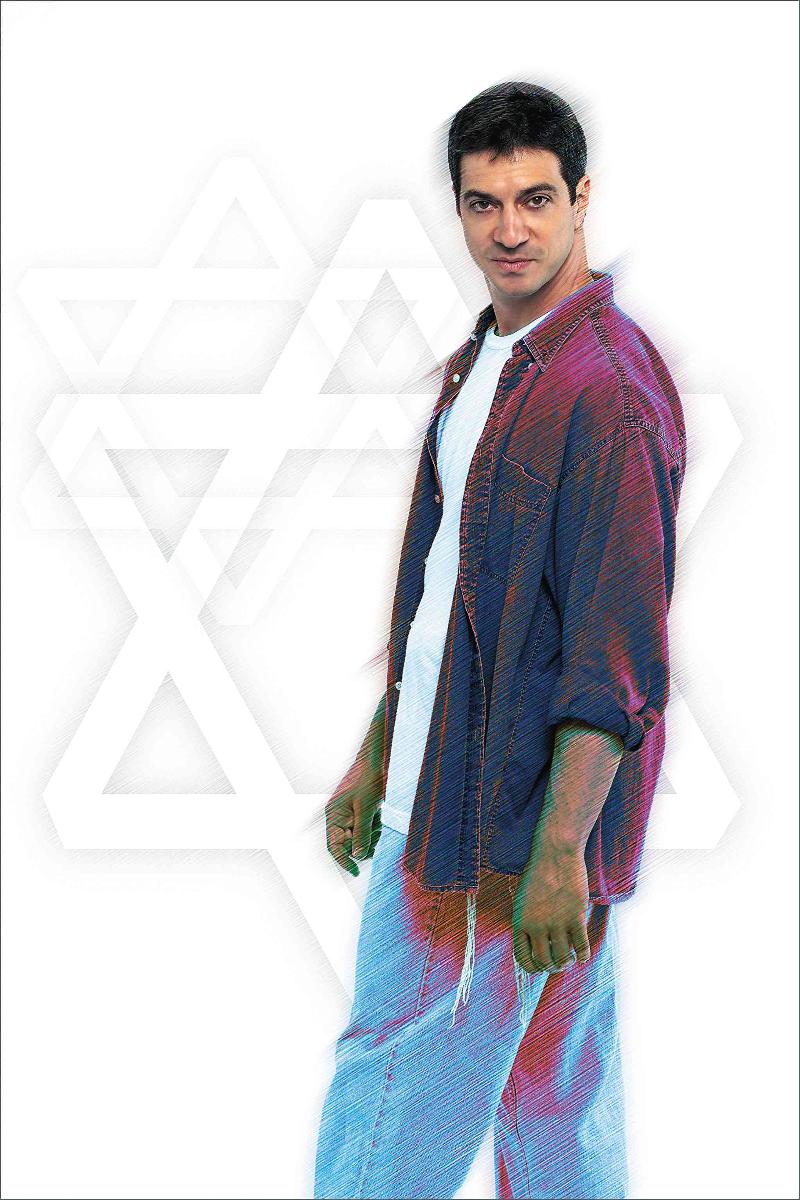 JE Magazine: Shalom Sam. Thanks for taking a minute while you’re on the East Coast. The opening quote on your website calls you “the hardest working man in Jewish music.” How did you get that title?
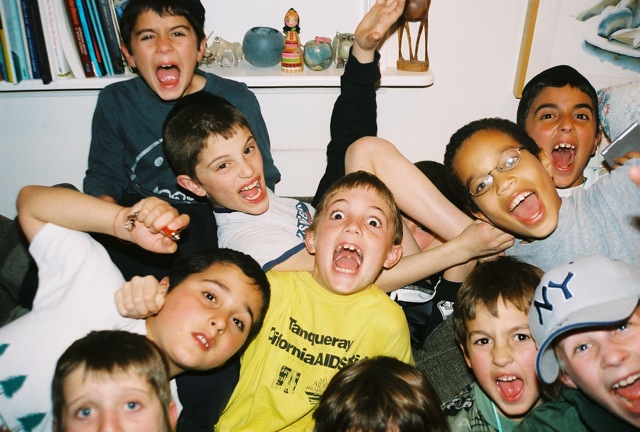 Many a morning I bask in the sunlight on our front porch surrounded by fragrant jasmine, birds of paradise and bougainvillea. It’s my power spot for the Shachrit prayers. I’m bound up in my tefillin, enveloped in my tallit and connected to the Source of all creation. This sunny spot conceals me just enough from the few passersby on our quiet street but some know to look for me and wave as I shuckle back and forth. Our new neighbors have two adorable kids, the oldest a loquacious, blonde three-year-old with a favorite game. While I daven I can’t help but notice him try, often successfully, to run away from the house and down the street as his nanny panics and bolts after him. Every time he gets a little farther and she freaks out a bit more.
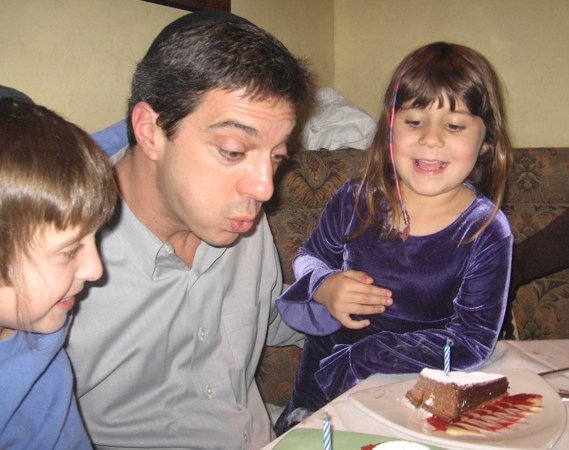 might. It has to have just enough water to serve as ballast for a good throw but be empty enough that it scares the pants off them when it strikes the wall just behind where their heads were moments before. I scream insults at them in my best Pirate tongue and we run until we’re too sweaty or until someone gets hurt. Many neighborhood friends come over specifically to have me terrorize them with my handy Arrowhead.
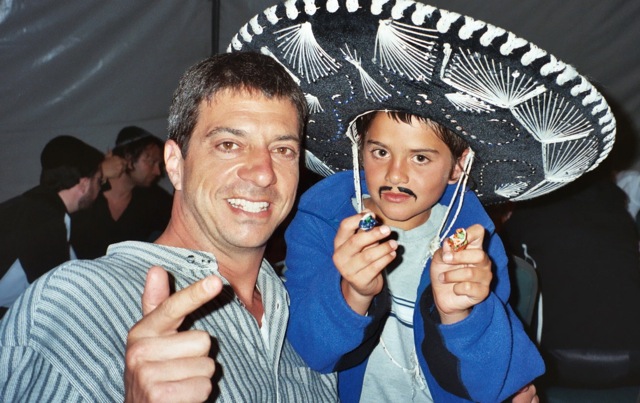 10-25 friends over every Shabbat afternoon and hinting not to subtly that I find my own friends to play with. He looks so damn handsome and has such a winning smile. But that smile is more often reserved for his peers and if I want a conversation I have to bribe him with an occasional fancy meal or force him on an outing. Even then I don’t have his full attention; I’m trying to teach him that it’s not OK to text while in a conversation with a live human. He tries to comply until an “important” message comes through.
 sow in tears will reap with joy.” Treasure your challenges and strive to see God’s loving hand in every facet of your life. Take your spouse out on a regular date night so that when the house empties out you remember what one another looks like. And in the immortal words of the psalmist, James Taylor, “Shower the people you love with love, show them the way that you feel, things are going to work out fine if you only will.”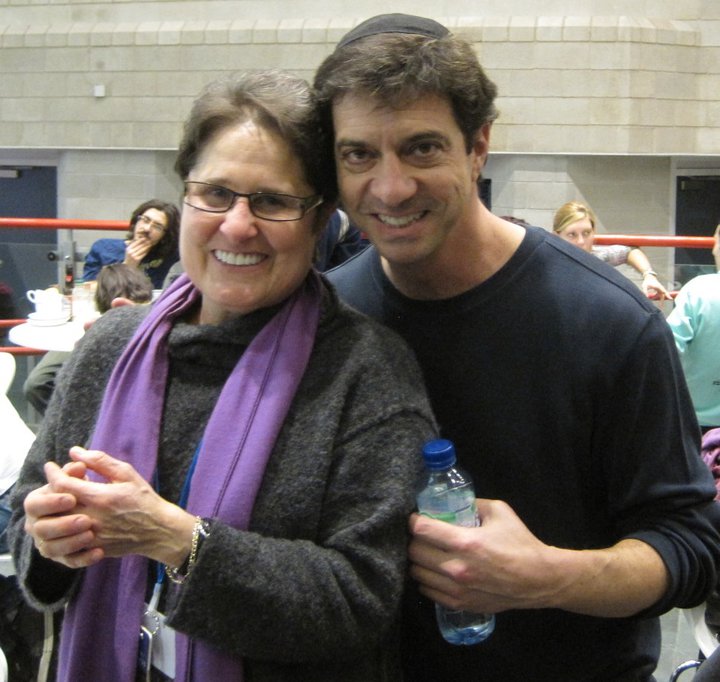
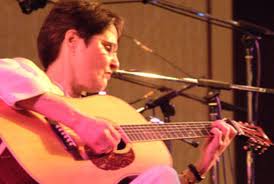 Debbie’s last official concert was everything that we fans wanted. All the hits, the crowd singing at the top of our lungs, tears aplenty at her epic ballads. Her voice was frail but she still hit the notes. Her humor was spontaneous and spot on and of course her trademark issues with guitar tuning created several classic improvised moments. Our beloved EJ Cohen was there to interpret both of our shows with her flowing, artful bi-lingual sign language. Debbie asked that no one video, photograph or facebook about the show. Just to be present, to be with her. Of course she sang Misheberach for us and then us for her. Little did we know.