by Sam Glaser
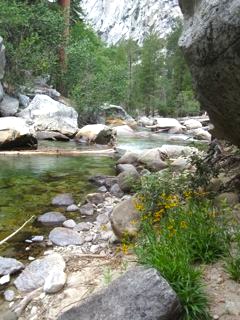
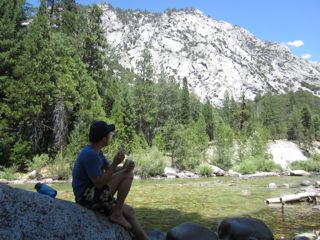
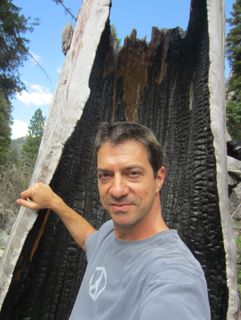
I’d like to share a revelation that I had during a camping trip in awe-inspiring Kings Canyon, CA last week. I spent much of Shabbat afternoon by a wild river. There’s not much else you can do at a campsite with a small eruv around the tents on a long, hot summer day. Over the course of several miles the rushing water warms from a numbing glacial chill to a balmy 75 degrees. A few dear friends and I walked among the rocks, found perfect places to dip our feet and occasionally submerge to cool off. After a few lazy hours we felt at one with the flow, relaxed and open. During these rare moments of peace I try to ask the deep, dark questions that rarely see daylight. My new friend Frank was on hand to help me with one quandary that had been nagging me.
Rambam tells us that it is cruel to face adversity and not ask why such a thing might be happening. I had pulled a muscle in my calf a few weeks earlier while skateboarding with my son. We were watching the pros at the X Games and then doing some freestyle ourselves. It finally got better and then I managed to re-injure it on a Kings Canyon hike, just when I reached full mobility. Oy…another two weeks of limping? So why now, why my calf, and why the re-injury? Frank believes that revisiting the same affliction helps one recognize that he or she didn’t learn the lesson the first time. I never thought much about my calf strain…these things “just happen” when you over extend, right?
One thing that’s been on my mind is the imminent departure of my oldest son who is now a senior in high school. My wife and I are awakening to the fact that the next family vacation will be the last with all of us together, at least for a while. Soon there will be a missing person at our dinner table. And then another kid will join him, then another. We are hearing the footsteps of Empty Nest Syndrome, and my reaction is to greedily hold on to each moment. I’m shooting more pictures than ever, trying to pack in memorable activities, filling my son’s head with words of guidance, boosting confidence and issuing warnings. Simultaneously I am grappling for traction in a topsy-turvy economy where music is often the first line item cut from disappearing budgets and downloads prevail. I’m learning that my reaction to all these issues is really the same: hold on for dear life, hoard my assets, maintain status quo, wear a convincing smile.
As I expressed these insights I told Frank, “I’m
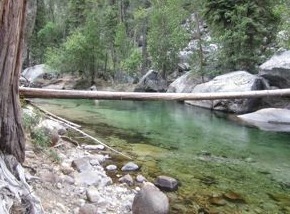 trying to hold onto my kids just like I’m trying to hold onto this water.” As I reached into the river for handfuls of water it just escaped through the cracks in my fingers and continued on its inevitable descent. I sobbed tears of sadness and relief as I acknowledged this bittersweet pain that I have been carrying inside.
When we feel the need to grab so much we send a message to the Universe: I don’t have what I need, I’m living in fear, and I’m desperate. Holding on creates tension; imagine a fist clenched tightly closed, a contorted bronze sculpture calcified in a defensive, protective pose. That’s me. Where there is no movement there is no grace, no flexibility. Our sages teach us to be supple like the river reed. A dry, brittle twig will break under pressure. Stay liquid, stay open, and stay available. Just like that river flows effortlessly towards Fresno, I must be at peace with change to allow the Divine flow to nurture me.
I’m not sure why that gastrocnemius muscle is called a calf, but we can learn a lot from the mention of the calf in our text, specifically the golden variety. Frank and I discussed the biblical scene of an entire people losing faith in their leader, panicking, creating a replacement deity. Do you see the connection? Panic, anxiety and melancholy cripple one’s faith. Even the afterglow of Divine revelation at Sinai wasn’t enough to keep the Jewish People connected. How much more so do we fall in this generation when current circumstances conspire to annihilate our faith. Bottom line: I am a man of faith who has no faith. I run around the country to fifty cities a year singing songs of love for God and yet my personal faith in
 God’s ability to sustain me and keep my family together is crumbling. Rather than serving as an example of holiness and living at peace with the Universe, open to whatever God has in store, I am a frightened child trying to protect all my toys from the neighborhood bully.
My kids will spend a year in Israel, go to college, marry and propagate the species, God willing! That’s what we want! As parents we are archers, pulling back the bow with all our strength and launching our beloved offspring into the fray, using the best aim we can muster. Then they are flying. Separate from us. Leaving us. They will follow their own voice, make their mark on the world, stand on their own two feet. Hopefully they are standing on our proverbial shoulders, with as expansive a view as we can provide. To try to stop the process is like trying to dam up a rushing river. You can try to pile up stones in a Sisyphean rage…or just let the water do what it’s going to do anyway.
In my career, I will continue to have challenges and they will force me to innovate, create partnerships and grow. Why is it that I can counsel friends with clarity, seeing the rich horizons that lay just beyond, and for myself I see darkness? One of my buddies on the camping trip is an actor and yoga instructor. He is 37 years old and says he can’t marry his girlfriend until he has a stable income. Did I mention that he’s an actor and yoga instructor? God wants us happily married! The flow will come! Of course God will continue to look out for my family! Of course I will succeed! Like everyone else, God has given me a unique set of gifts, a piece of the global puzzle that only I possess. God has a purpose for me. I have to make the effort, but I must remember that God will finish the task. Trying to do it all is the act of a pagan. I have God on my team!
One of our nights in the campground we went to the ranger led astronomy lecture. We were astounded to learn of the vastness of space, the size of the great celestial bodies, the mind-stretching distances in the universe. Our sun is just one of over 200 BILLION stars in our Milky Way galaxy, and the Milky Way is just one of over an estimated billion galaxies. For all of our human accomplishments we still haven’t set foot on a single planet in our own quaint solar system. Around the campfire we were marveling that the same God that brought about the Big Bang lovingly created our brains and bodies. God creates new suns in explosive supernovae and still “sheps nachas” when I wrap my tefillin.
After the lecture Ranger Bob brought us to a clearing in the forest where we could peer into the pitch-black new moon sky with a sixteen-inch mirror telescope. My friends, I saw a global cluster, the Whirlpool Galaxy and “eye of God” Ring Nebula with my own eyes! All of these celestial bodies have a specific place in the universe, predictable orbits that they follow, so reliable that we can use their light to steer our ships through the night. All of creation is on a path, with atoms in ordered arrays, electrons and protons spinning around nuclei, trees arching towards the sun, ants marching in single file, pelicans drafting off each other’s wingtips. Why should I dread any aspect of my own path, my lifecycle? Thankfully the Jewish People have been given the gift of a long and winding road of 613 mitzvot, in a system called Halacha, the path. Jewish law can be seen as oppressive and burdensome, or as a collection of helpful spiritual signposts to keep us joyful and inspired on the annual orbit of the Jewish year.
When I am resisting change and anxious about the future, I lose the Divine flow and close myself off to perceiving the path of peace. Judaism has
 amazing tools to stay on track but I can testify that it is possible to live within halacha and become a robot. I think the key is focusing on filling our lives with kindness to others and gratitude to our Creator. I am grateful for the time God has allotted me to be with my children. I am grateful for vacations and National Parks. I am grateful for stars, rivers and friends. I am grateful for the air that I breathe. I am grateful for my wife, my children, my parents, my extended family. I am grateful to be Jewish. I am grateful for skateboards, skis, guitars and gravity. I am grateful for challenges to overcome. I pray that all of us learn the art of letting go, prying open our hearts to the messages of Heaven and finding our true path. Thanks to a river, a telescope and a new friend, I am a bit closer to finding my own.
 is completely open and there is no one imposing deadlines except you. Being a self-employed musician is even harder. The craft is vastly time consuming, goals are difficult to quantify, and the quality of the final product is entirely subjective and resides in the ether. Most of my peers survive from gig to gig, no grand schemes or business plans. All of my kids are becoming musicians in their own right and while I am gushing with pride at their accomplishments, I am not pushing them into the field as a profession. It’s so easy to flake, to get distracted, to start projects and never finish. If by some miracle you manage to get that masterpiece shrink-wrapped, you then have to put on the businessman’s hat to bring your product to market. Musicians don’t like switching hats; they feel it isn’t part of the job description.
 attention save for the furtive glance at his iPhone every few seconds in case a text has arrived. Jesse is a joy to behold unless he’s on headphones mid-battle in his World of Warcraft universe. Sarah plays Mindjolt and Super Mario via Facebook while watching the Food Channel on YouTube. Did I mention we don’t have a TV? We don’t! But everyone has a computer (for homework, of course.) When I get a word in about the importance of self-mastery or using time wisely, I get that look that tells me “you are the ultimate curmudgeon on the planet!” I feel like I’m in a desperate race against the clock to get my kids to appreciate and use their free will wisely while they are still living in my home.
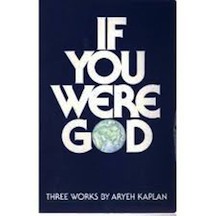 best in his unconventional description of hell in “If You Were God.” According to our sages, we are constantly being measured on how we are maximizing our potential. We are not judged against our peers. Instead, at the end of 120 years, we face the distinction between our potential and actual selves. The degree of difference between them is a source of tremendous humiliation, the “fires of hell,” if you will. Were you the best you that you could be? By maximizing “choose life” moments, we have a better chance of finishing the game in alignment with our greatest potential. According to author Leo Buscaglia, “Who you are is God’s gift to you, who you become is your gift to God.”
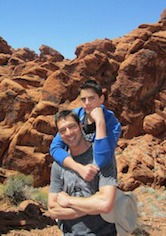 So what are we going to do with the kids this summer? Well, for starters, the ultimate Jewish pride builder: a month at Jewish summer camp. The rest of the time we’ll try to keep them away from screens as much as possible. Yes, we have to intervene…for most kids, time management is bigger than them. We will use the remaining six weeks to nurture existing hobbies and jumpstart new ones. Double up on instrument lessons, lots of Krav Maga, a filmmaking workshop. I am taking my oldest son into the wilderness for a week and will take lots of pictures so that he can look back and see that his old man cared enough to do something about it rather than just complain. And yes, we’ll see some 3D movies, visit the waterslides and go to Ben and Jerry’s. We may be strict but we’re not crazy.
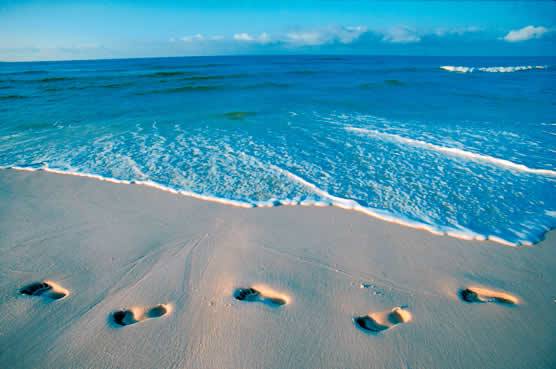 My cherished custom every time I land in Florida is to head straight to the beach and jump in the glassy, warm water. The shock of the Pacific chill is absent…no wetsuit required…and the white sand unfolds to the North for hundreds of miles. Upon arriving on this last trip with my fellow Jewish singer and good buddy Todd Herzog, we dropped our bags at the beachfront hotel and davened a peaceful mincha (afternoon prayer) before jumping into the shallow blue-green playground. As we pondered the pelicans and sandpipers, Todd asked me some penetrating questions about why one would want to say the same exact words three times a day. He was curious what I get out of it. Am I was focusing on just getting the words out or am I actually thinking about meanings? Where do I add my own thoughts? And what happens on Shabbat when we stop making requests from God…what am I praying for then?
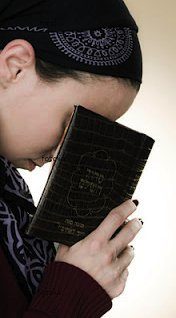 central prayer nearly 2500 years ago…and it was clearly already in use when they did so. Among their ranks were several sages of prophetic stature. They boiled down God’s will for the Jewish People in eighteen (later nineteen) crucial categories. When we repeat this menu of our deepest needs, we enact our partnership with God in bringing them to fruition. So central is this prayer to our existence that it is simply referred to as tefila (THE prayer) when discussed in the Talmud. The Sh’ma and psalms are important, but the Amidah is IT. I think Rashi says it best when he explains that l’hitpalel, or to pray, means to dream or think ultimate thoughts. We utter nineteen dreams for humanity and those dreams become part of us, defining our aspirations and clarifying our service to God.
 there’s any place that you want to deeply focus and use the formulaic words of the millennia, this is it.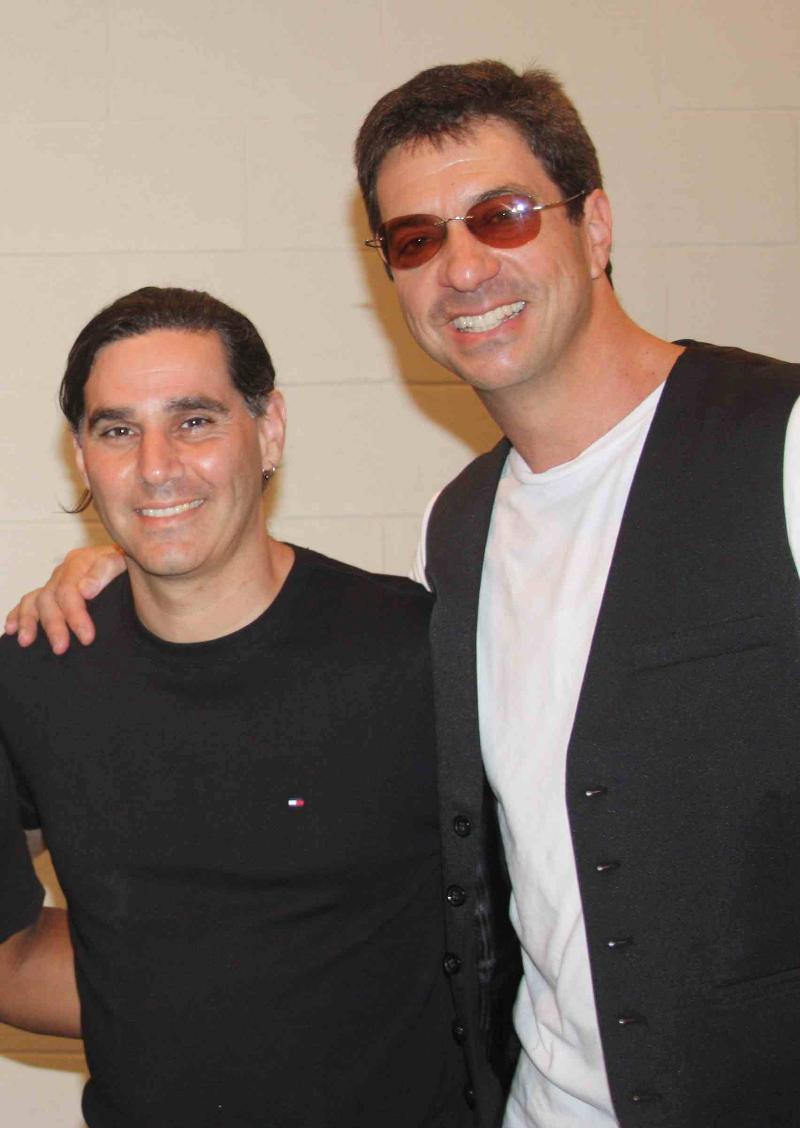
 This Rosh Chodesh Nissan I had the pleasure of culminating my eight-day tour of Florida with a Shabbaton in Cooper City, just north of Miami. Just before launching into Kabbalat Shabbat services I sang Auld Lang Syne. After all, we just concluded Adar, the final month of year in terms of the biblical count. That makes the transition into Nissan the true New Year’s Eve. As soon as the moon is full, on the eve of the fifteenth night of the first month, we celebrate our annual birthday as a nation. Some 3000 years ago we were a nation enslaved by a decadent tyrant, yearning for freedom. At the stroke of midnight that first Passover, after nine months of plagues, we emerged from the womb of Egypt to our destiny of freedom. The concealment of Adar gives way to open revelation at the Sea of Reeds and Sinai, and thanks to our remarkable custom of making an annual Seder, we still relish in the birth of the unbreakable soul of our nation.
 insists that this body is no more than a meat-jacket that we must maintain with food, water and exercise so that it can continue to shlep the precious, divine soul on it’s mission. Throughout the year we indulge in petty material concerns and accumulations. Come Pesach, along with our physical spring-cleaning we have the opportunity to get down to the soul level in our worldview and interpersonal connections. Kabbalah has given us a window into the soul that is a perfect user manual that engenders pride in ownership. For those empirical types that must see it to believe it, our tradition teaches a “five levels of the soul paradigm” that clarifies the outlines of the ephemeral self. In the interest of having a wide-eyed, openhearted Pesach, allow me to take you through the journey of these five levels, based on the teachings of Rabbi David Aaron and Rabbi Tom Meyer.
 during the Holocaust was meaningless manual labor. Without meaning, our lives become living agony. Also, the nefesh is being expressed when we hear the voice of the conscience speaking, that fundamental, cross-cultural concept of good and evil. We know it’s inherently wrong to punch an elderly stranger in the street. Hollywood movies with heroes and villains sell worldwide because all humans share certain internal ethics. That’s our nefesh speaking. Darwinian evolutionists and physicists can’t quite explain why it’s there. But it is. And we know its voice like we know we have five fingers on our hand.
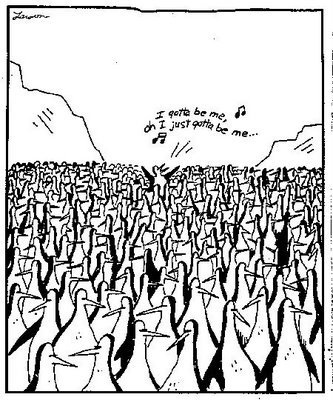 unique, in spite of the fact that we are one among billions of similarly entitled beings. It’s our neshama speaking when we pursue happiness. I’m sure scientists might have convincing theories about why we strive to feel in sync, on a mission, why we feel we are deserving of happiness. But any true pleasure seeker does not need science to explain this universal drive. When we stop to think about it, it’s clear we have a neshama, a divine force informing our every motivation.
 idea of being separate, alone with another. The yichud room at a traditional Jewish wedding is when the bride and groom are secluded in an intimate space just after the ceremony. We’ve all felt yechida: those times when we are deeply connected and empowered and totally blown away. For some of us, it was the birth of our child. For others, a perfect ski run on the back bowls of Vail. Some find it in Yosemite or surfing a glassy, overhead, bowling wave. Ask anyone who feels they were saved from a potential harrowing accident by a miracle. The Seder is a fifteen-step opportunity to spend an entire night in yechida. We say the Sh’ma twice a day to remind ourselves of the possibility, just for that moment, to love God with all our heart, soul and might.
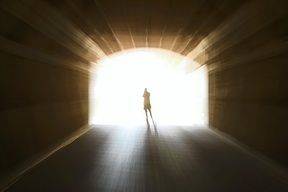 field, Raymond Moody, interviewed thousands of individuals that “flat-lined” for over twenty minutes and then came back to life. Many report a multi-stage chain of events that parallel the description of death in Kabbalah. Commonly experienced phenomena are seeing their body from above, hearing everything that was going on and enduring a rapid review of their lives (much like the great James Brooks movie Defending Your Life.) Some are met by loved ones and are then sent back or feel they must return to their corporeal existence to complete a task. Nearly all see or feel a powerful light that is loving and comforting. Our rabbis tell us that this is the “ziv hashechina,” the light of God, of creation. After all, the sun wasn’t formed until the fourth day…could this be the light that God stated was “good” on the first?
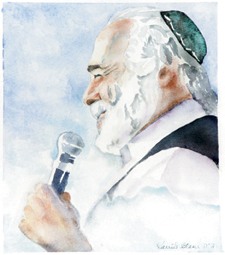 Shlomo Carlebach and Debbie Friedman started something big. Much like the Internet freed visionaries to rip away the barriers of industry, these two composers wrote music from their hearts and delivered it directly to the people. They didn’t go to a conservatory to get degrees in composition. Nor did they spend six years at a cantorial school. They heard music in their heads, translated it for the world to access with simple guitar chords and sweet, non-operatic voices, and hit the road to any venue open to their spiritual message.
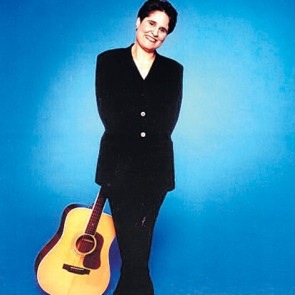 unprecedented tranquility, success and freedom. It is the music of a profound and unprecedented byproduct of the 20th century: the optimistic Jew.
 CD titles on its website; Mostly Music, associated with the Orthodox movement, carries the work of over 1300 different artists. Just last week the annual Song Leader Boot Camp offered three full days of training in the art form to over 90 young singers and composers. The main CJM online outlet,
  about 1500 CDs to break even on production costs. That was based on the $15 per album that they could typically charge audiences after a concert, a goal that the average working musician could fathom. With iTunes, the breakeven point jumps to nearly 50,000 singles that must be sold. The new model has emasculated the long form album, the beloved collections that gave singers a dozen songs to make their artistic statements. Spotify, the rising star of subscription services, referred to as the “iTunes killer,” pays the artist .3 cents per listen. I shudder to do the math.
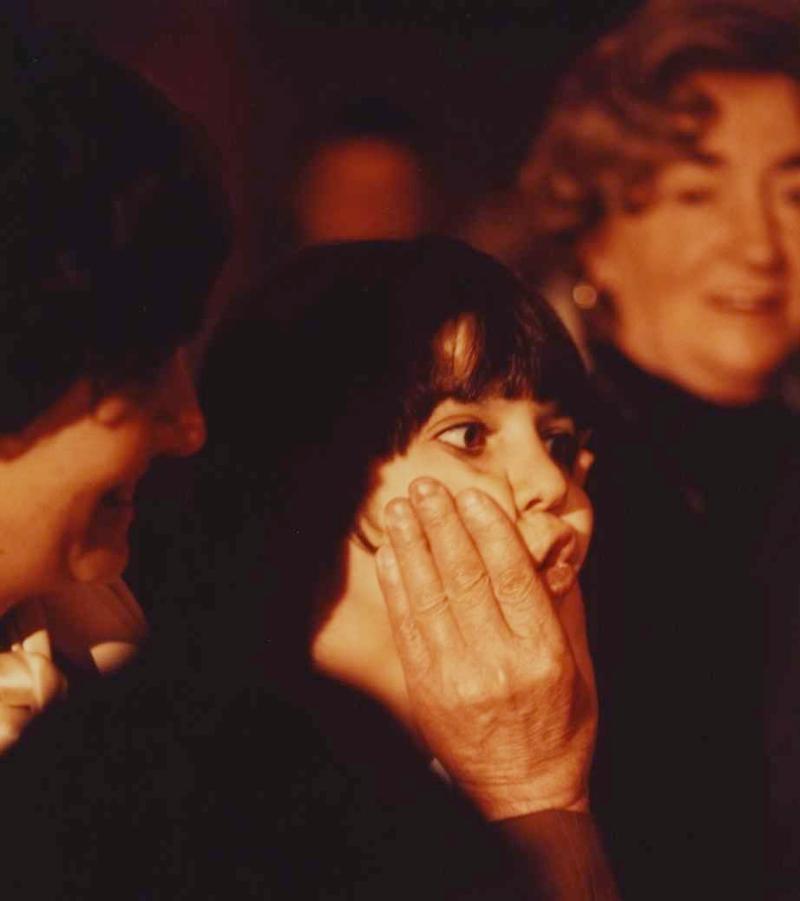 Haftorah trope with our organist Aryell Cohen, and mastered Mussaf with Cantor Joe Gole who took me under his wing. I had to learn the portions both for my LA ceremony and the one that followed a few weeks later at the holy Western Wall. One night my mom recognized my accomplishments in that short period of time. She came into my bedroom as I negotiated our ancient texts and said, “Sammy, if you keep pursuing your goals like you did this year, there is nothing that will stop you.” Thanks Mom…I’ve been a workaholic ever since.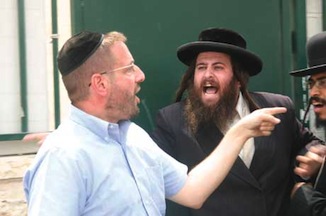
 Allow me to take you on a tour of adults seated in this sweet portrait, from oldest to youngest. My dad, seated on the couch, is looking somewhat haggard thanks to the 15 grandchildren that invaded his peaceful Pacific Palisades home for the week of Sukkot. He was raised in a WWII-era Bronx family that moved in LA while he was a teenager. He went to LA High, rebelled and joined the army instead of going to college and then took over a division of his dad’s garment company. He went from his Orthodox upbringing to eventually join one of the largest Conservative synagogues in LA, Sinai Temple, the congregation in which I grew up. Nowadays he regularly leins the Torah for his local Chabad and actively engages in the passion of his retirement years: studying and teaching Jewish history.
 I’m sharing this gory detail to point out that in spite of our many differences we find common ground and celebrate our love for one another. Yes, there are frustrating moments like dealing with degrees of kashrut on Pesach and accepted sleeve length. Certain cousins hug the opposite sex, others can’t be touched. We have to negotiate how to attend extended family simchas when they fall on Shabbat but we ALWAYS go. The cousins may come from three countries and dress differently but perceive they are one family. Jennifer told me that her kids went into mourning when their Chassidic cousins returned to Israel. We know that together we are strong and we need desperately each other and we have far more in common than those details that divide us. Sound familiar? This is the story of the Jewish people. We are like five fingers on one hand.
 with the punishment of the perpetrators of this desecration. They cannot continue to abuse the system and avoid the consequences of the ripple effect of their insensitivity. One of the basic seven laws of humanity is to set up a system of courts and uphold justice. Israeli police cannot tiptoe around the offenders for fear of Charedi riots. There must be teeth in the punishment of hate crimes for us to hold up our heads up as a Light unto Nations. As the Midrash says, “Whoever is kind to the cruel will end up being cruel to the kind.” Rabbi Yitzchak Schochet of the UK stated, “We must be intolerant in order to defend tolerance, or unkind in order to defend kindness, or hateful in order to defend what we love. Such ‘acts of terror’ have no place in any democratic society, let alone a Jewish State, whose “ways are kind ways, and all her paths are peace.”
 I am writing this newsletter on the road during my 2011 Chanukah tour. It is as varied an itinerary as can be imagined in the Jewish world; a whirlwind of performing for Reform, Conservative and Orthodox synagogues, religious and day schools and a retirement home. This is my eighteenth Chanukah on the road, a time that is often difficult since I am gone for weeks rather than my typical every-other-weekend schedule, but is also the period when I relish in the joy of having so much time to interact with out-of-town friends old and new and reflect on the year gone by.
 As Thanksgiving rolls around, I’ve been reflecting on just why it is that turkey and Thanksgiving are both called hodu in Hebrew, and what comes to mind is how much we Jews in America have to be grateful for and how our destinies are intertwined. Thanks to the wisdom of fathers of the constitution, Jews were given a sanctuary in the West where they could flourish in freedom. As a people, we are living proof of the power of free markets, access to education and social mobility. My grandpa came to this country as a penniless teenager from a “one-horse town” in Transylvania. In the very next generation his three sons rose to prominence: a graduate from Harvard Law, a garment industry tycoon and an attorney/opera impresario. As remarkable as our family saga is, we are certainly not alone. This past year on my concert tour I enjoyed an eye-opening view of the depth of this symbiotic relationship between the Land of the Free and the People of the Book.
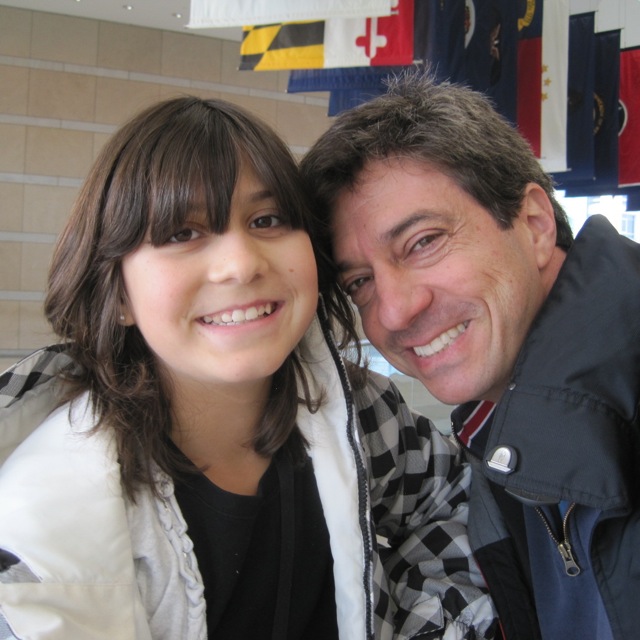 visit Independence Hall and for us kosher consumers, hit the vegan dim sum place downtown. One thing that I didn’t expect was to be embraced by the Jewish angle everywhere we turned. Sure, the Liberty Bell quotes our Torah, “Proclaim liberty throughout all the land…” but the full realization of our contribution was apparent after visiting the two most prominent tourist traps in the center of town. One is the hi-tech Constitution Center where Jewish ideology is credited in guiding the vision of our founding fathers. They were deeply religious men that took their cues from the bible and even considered making Hebrew the national tongue. Some of the tourists, upon seeing my kippah stated: “we love the Jewish people” or “we stand with Israel.” Of course the Jews that stopped us said, “oh, do you know ‘so and so’ from Sherman Oaks?” We saw exhibits that listed prominent Jews in government, building the economy and marching for civil rights. I could see the pride in Sarah’s fifth-grade eyes as she looked for clues of her heritage in this beautifully realized testimony to our grand American democratic experiment.
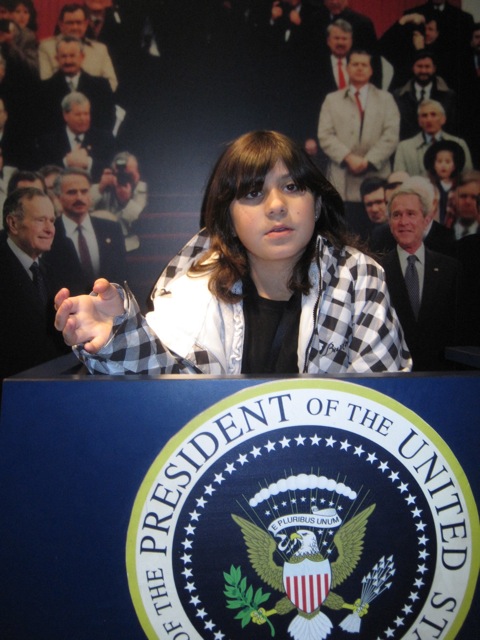 Across the street is the spanking new National Museum of American Jewish History. It’s a stunning 100,000 square foot, five story, state-of-the-art nachas factory for members of the tribe. We began the historical journey on the fourth floor in the mid-1600’s and emerged a few hours later in the present day where we pondered Irving Berlin’s piano, Spielberg’s films and Sandy Koufax’s mitt. I think this multimedia exploration of Jewish accomplishment should be mandatory viewing for all Americans; anti-Semitic bias fades in the light of contributions we’ve made or the degree in which Judaism has informed this country’s values. My Reform friends shared our enthusiasm at the intense degree of Jewish pride furnished by the experience. My Orthodox friends shuddered in horror at the $100 million plus bill that otherwise could have financed Philly Jewish day schools for perpetuity.
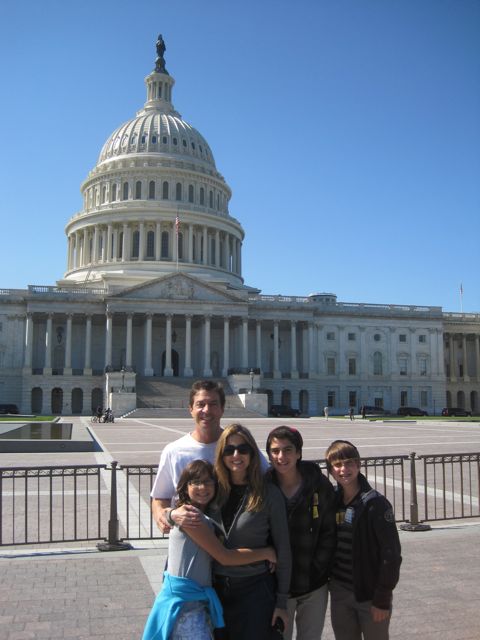 my family on a historic journey to Colonial Williamsburg and then continued north through Richmond up to our friend’s home in Potomac. For kids from LA where “really old stuff” is from the 1960’s, visiting these 1700’s neighborhoods was quite a treat. Well in advance of the trip I worked hard to assemble an overflowing itinerary and booked the various sights with the help of my congressman, Henry Waxman. He was able to secure for us tours of the galleries of Senate and Congress and the Supreme Court, plus a “never tell me the odds” moment: we won the lottery to obtain the rare ticket into the White House where we enjoyed a personal tour from the resident military officers and we met the Obama’s dog, Bo! Following that, my best buddy Chuck’s brother, who is a captain in the Navy, welcomed us for a two-hour insider view of the Pentagon.
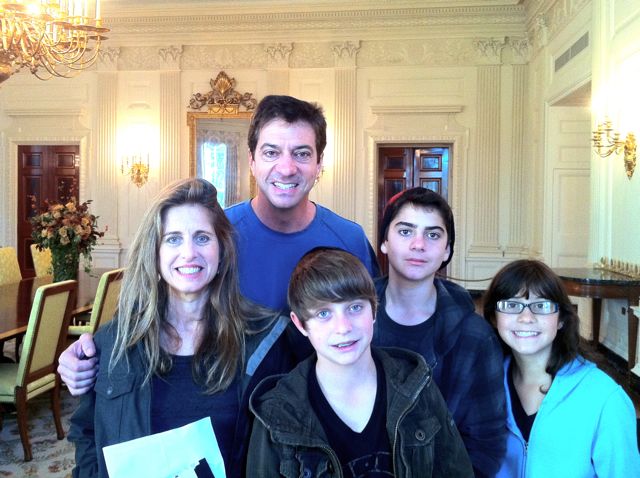 our favorite, the Spy Museum! We went bowling, shopped in trendy Georgetown, visited Chinatown and the historic 6th and I synagogue, hiked to the spectacular Great Falls National Park and somehow did all this in four whirlwind days.
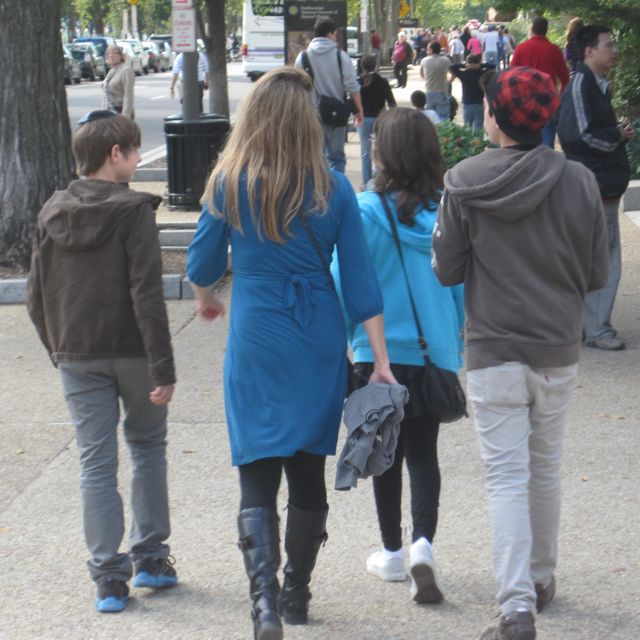 displays describing Jonathan Pollard and Ethel and Julius Rosenberg. A few blocks from the Lincoln Memorial lies perhaps the most important Jewish site of all: Eli’s Restaurant, a glatt kosher eatery where we rested our tired feet and feasted every night before heading back to Potomac on the Metro.
 the rare gift of speaking about spiritual subjects close to my heart to students who were attentive and hungry for the information. I enjoyed the chance to hear both the veterans in Jewish music perform in addition to sampling the hot, upcoming talent. I went to amazing lectures, relished in stories from master storytellers and listened in wonderment to a fifty-voice choir that formed over the course of the conference. And every night, from midnight till 3am, the musician insomniacs gathered in a “kumzitz mafia” jam session of outrageous proportions.
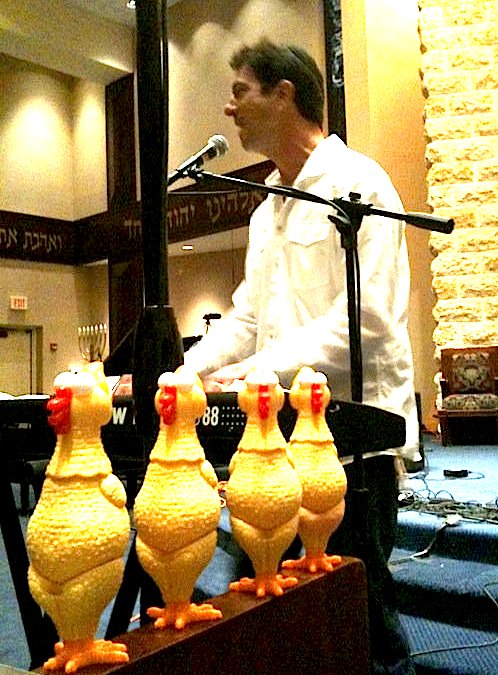 this twenty-year odyssey as a Jewish composer. These are the community leaders who have rallied to bring me to their congregations, who cherish my CDs, who share my music with everyone they know. Many of them met me when I was single and have followed my life through my engagement, marriage and rollercoaster experience as the father of three. Scarcely a CAJE meal goes by without my having to break out pictures of the family.
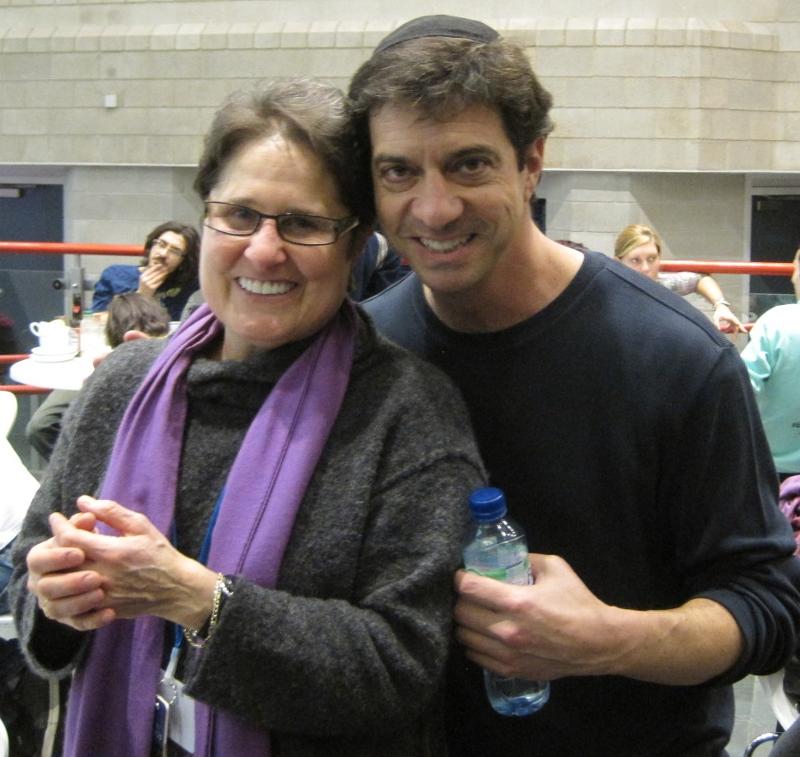 getting invitations to perform out of town. Amazing! This year NewCAJE gave me a taste of new artists Noah Aronson and Max Jared, among others, about whom I will rave and support in their journeys.
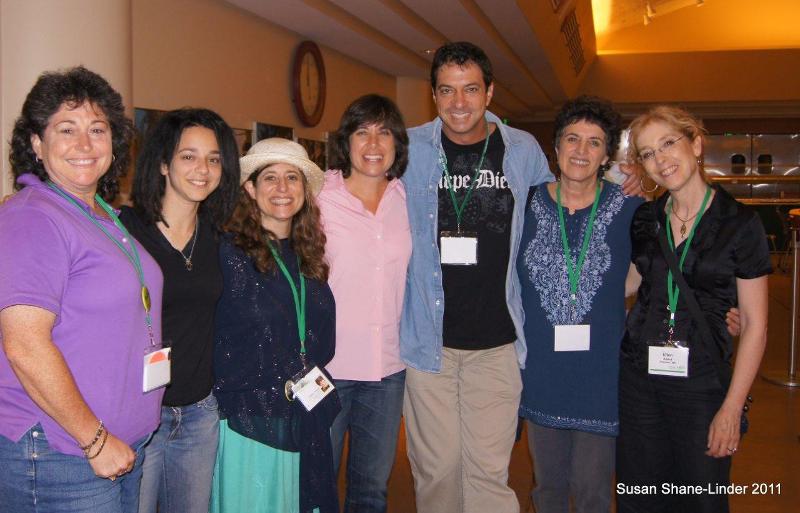 that they return is the camaraderie. There is no price tag one can put on belonging to such an esteemed, generous family. Tragically, teachers are usually on the low end of the socio-economic totem pole. The individuals that we empower to bring the newest generations into the fold can barely afford to live in the neighborhoods of the synagogues they serve. CAJE gives these righteous individuals a chance to stand up and be recognized and appreciated. It’s renewing, refreshing and rewarding. Some chastise the organization and say it’s nothing more than Jewish summer camp. But if summer camp is the “great white hope” for our kids, then why can’t the teachers of our students have their moment in the sun?
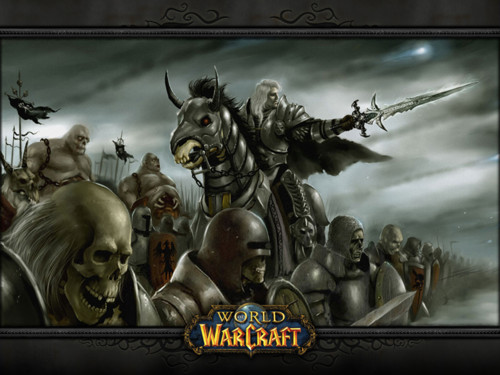 I’m trying to understand why I’m so perturbed by my kids wasting time glued to a screen. Perhaps it’s because my wife and I brought them into the world with the hope that they might better appreciate the gift of life. Or at least ride their bikes once in a while. As adolescents they see the “real world” as the music, videos and TV shows that they voraciously consume. All the Jewish stuff they have to deal with in day school is a burden to be endured until they can get back online. Plugging in is a divine right. After all, they will live forever, have all of their needs met and perish the thought of having a vacant minute. In this generation you’re nobody until you have the latest screens of all shapes and sizes. Entertainment options from Avatar to Jackass to funny pet videos on YouTube compete for their attention on aptly named iphones, ipads and imacs.
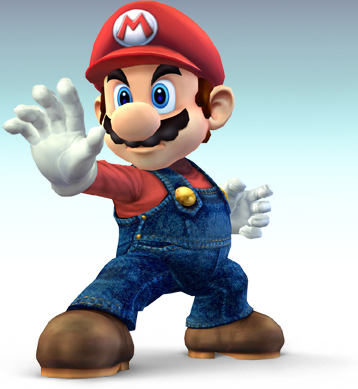 friends…simultaneously. I can leave for the evening and return to find her in the exact same position. She can handle piano practice for ten minutes but as soon as it’s time to work out a tough passage I can see her desperation to unplug her brain in front of the screen.
 people and remain few in number and yet will impact all of mankind by wandering the globe. I would argue that God’s Light Unto Nations experiment is working rather well; here is one of my favorite quotes:
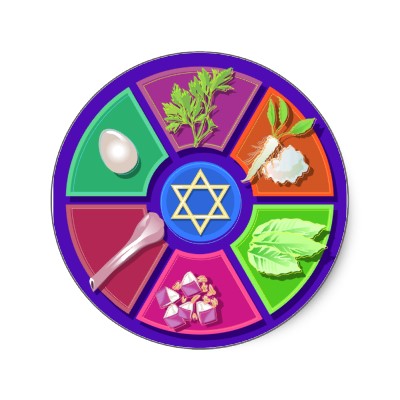 Demonstrate the plagues with marshmallow hail, throw rubber frogs, wear animal masks and die on the floor for pestilence. Just like Shabbat meals, the three ingredients for a great seder are fun, fun and fun. The key line is “b’chol dor vador…” in every generation we must see ourselves in the Exodus. This isn’t a commemoration of something that happened to distant relatives. It’s our story in perpetuity, in every age, with every enemy of our people that seeks the destruction of our holy mission of tikkun olam.
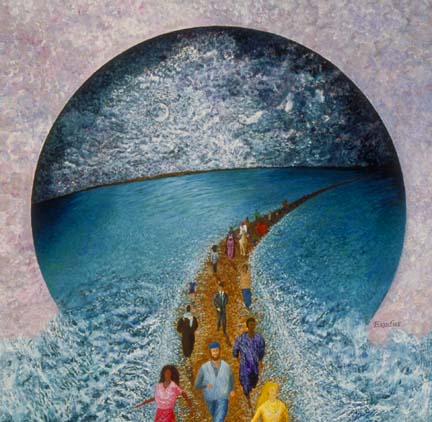 matzah by even a moment or dipping delicate greens in salt water. We reinforce the concept that we were redeemed and are continuously redeemed from servitude so that we may serve God with love. The crowning moment of the Exodus is the revelation of God’s will in the Torah; this profound gift necessitates that we take the time to grapple with its demands. When all is said and done we have to sing, at the top of our lungs, from the depths of our hearts. And most importantly, we can’t let distractions like World of Warcraft derail us from our critical goal of serving as soldiers in the “war of worldcraft.”